
AI makes structural complexity more visible.
If portfolio data lives in one place, trading activity in another, compliance rules in a third system and reporting still relies on spreadsheets, AI has no consistent base to work from. Insights are only as reliable as the data and processes behind them.
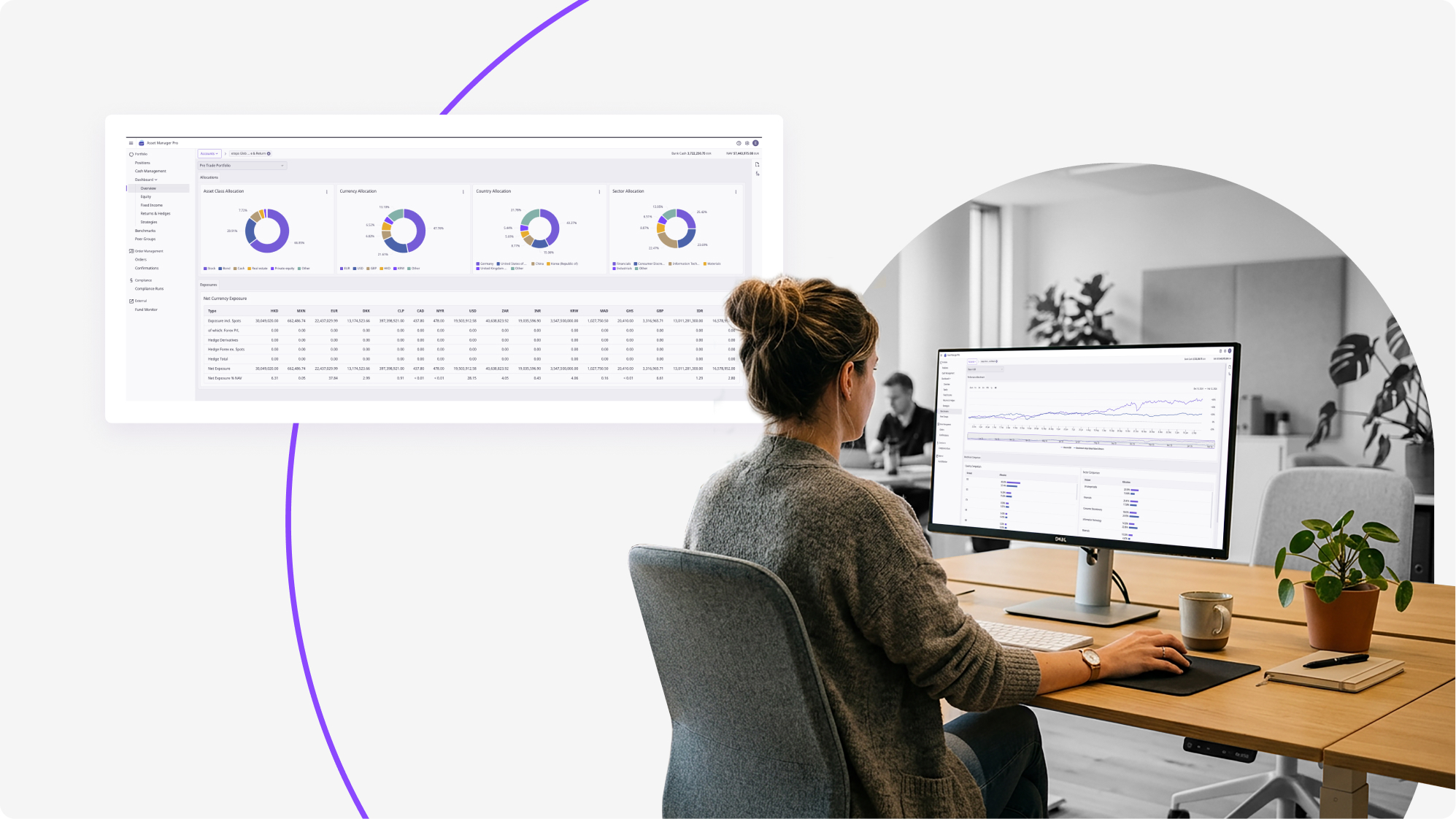
That’s why asset managers who see progress with automation and analytics tend to start elsewhere, with platforms that already support front‑to‑back investment management. Portfolio construction, order management, compliance monitoring, risk analytics and reporting operate as part of one coherent operational setup, rather than as loosely connected tools.
Without that foundation, adding AI simply increases complexity instead of reducing it.
Institutional investors expect portfolio and transaction data to remain within jurisdictions they trust. FINMA requirements, GDPR obligations and BaFin reporting standards shape day‑to‑day operations and cannot be treated as afterthoughts.
Etops operates its platforms in a way that supports EU and Swiss data residency and data protection requirements and designs its asset management solutions to work within European regulatory frameworks. Portfolio management, compliance monitoring and regulatory reporting are handled with these expectations in mind, rather than relying on uncontrolled external environments.
In practice, this matters because data quality and data governance cannot be separated. Clean data depends on how information is stored, controlled and processed across the investment lifecycle, not only on analytics applied at the end.
At Etops, AI is not positioned as a replacement for established investment processes.
The primary focus is on providing asset managers with stable, enterprise‑grade investment management platforms that already cover the essentials, advanced portfolio and risk management, European regulatory compliance, capital market connectivity and straight‑through processing.
Etops built its Asset Management Software for this reality. It supports asset managers across the full investment lifecycle, from portfolio and risk management to automated compliance monitoring, BaFin reporting and operational processing. Where AI‑based capabilities are applied, they are intended to support existing workflows, for example by helping reduce manual work or highlight relevant information, not to replace governance or human control.
Swiss and European asset managers are not short on technology promises. What they need are platforms that reflect how regulated investment operations work.
Our Asset Management Software was built specifically for asset managers operating under European regulatory oversight, where data residency, compliance and operational control are non‑negotiable. By bringing core investment operations together in one platform, it reduces fragmentation and creates a more reliable basis for further automation, including AI, where appropriate.
If your existing setup can’t support new technologies without increasing compliance risk or operational complexity, the challenge isn’t whether to adopt AI but whether the platform underneath is fit for purpose.
From newsletter sign-up to a personal demo – we look forward to hearing from you!